
Categoria: Recensioni film/libri

  • “The Master”: Favino and the psychology of imperfect teaching

    “The Master”: Favino and the psychology of imperfect teaching

    Introduction

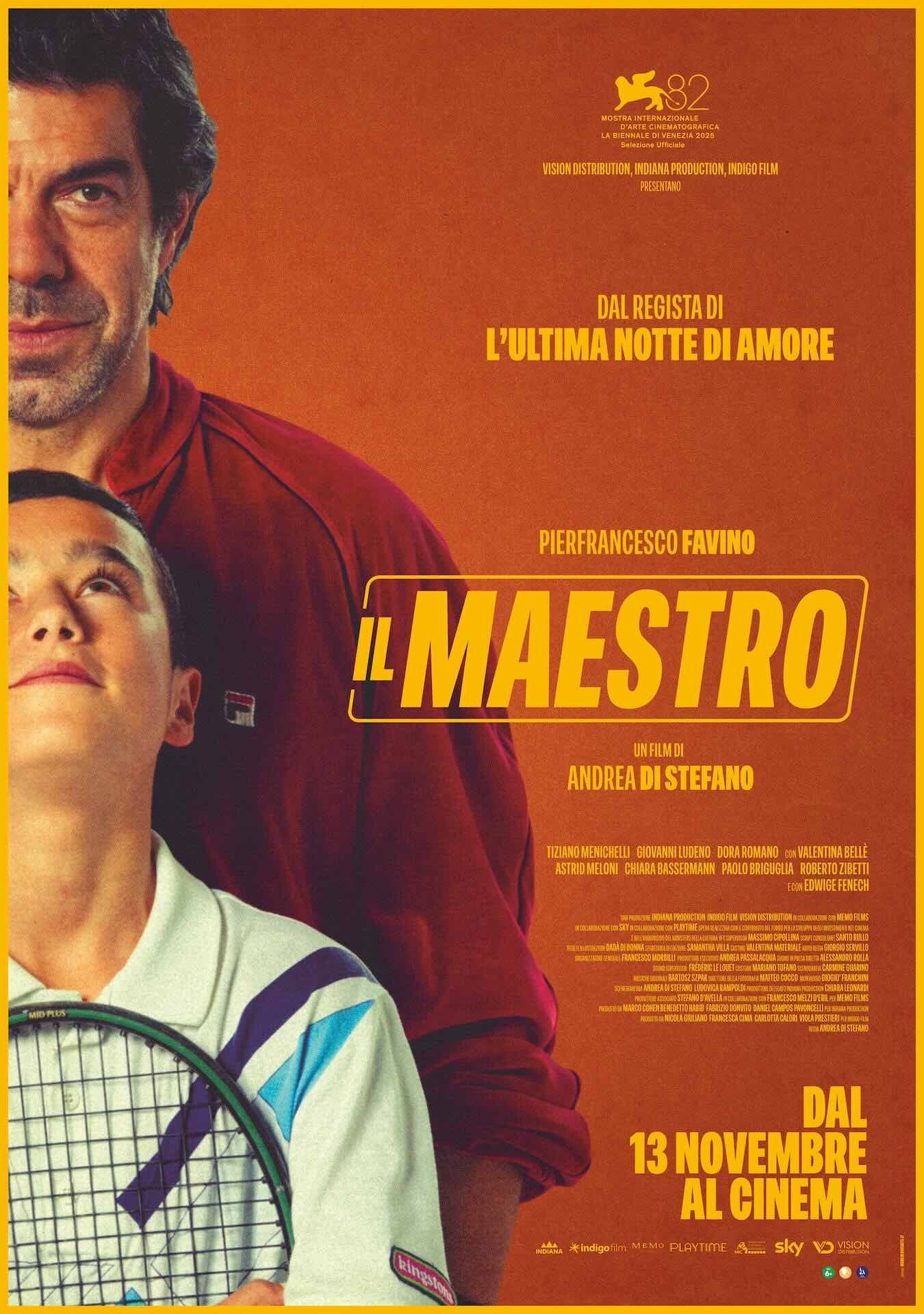
    “The Master” is far more than a film: it is a psychological excavation of what it means to teach, to guide, and to inhabit the fragile space between authority and vulnerability.
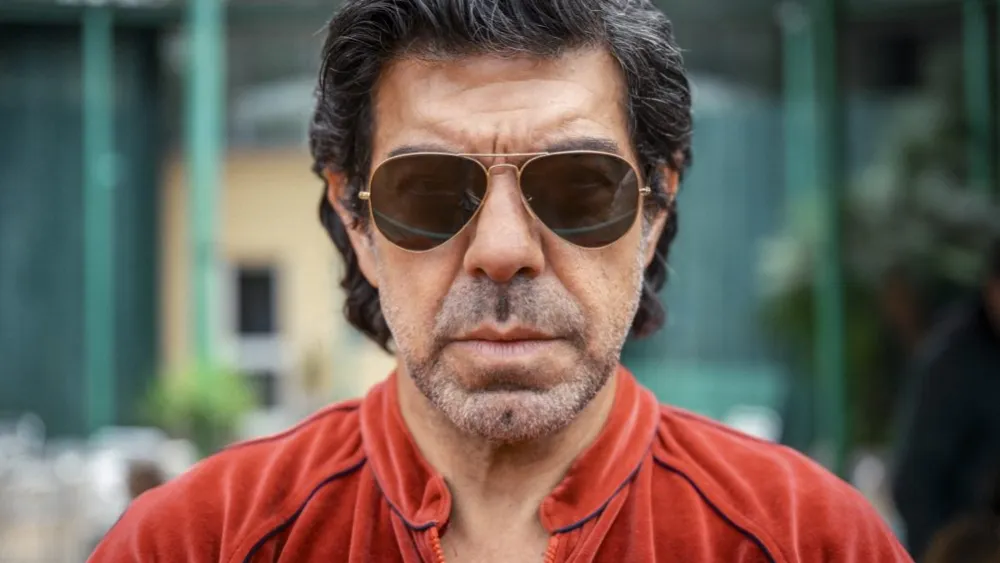
    Favino delivers a performance of extraordinary depth, portraying a teacher who is brilliant and flawed, inspiring and wounded — a human being navigating the complexity of shaping others while being shaped himself.

    Favino’s performance: a case study in educational psychology

    Favino does not simply act; he embodies. His character becomes a living example of what contemporary studies call educational ambivalence: the coexistence of competence and fragility within every educator.

    Research in teacher-student relational dynamics (Hamre & Pianta, 2023) shows that emotional attunement is a stronger predictor of student outcomes than curriculum mastery.
    The film visually and dramatically articulates this theory: the teacher’s internal world is inseparable from the way he teaches.

    Education as a field of forces

    The movie reveals the hidden tensions that structure every educational relationship:

    • the teacher’s need for recognition,
    • the student’s emotional vulnerability,
    • the asymmetry of power inherent in teaching.

    “The Master” asks us to confront what we often ignore: educators are not neutral vessels of knowledge but people who inevitably leave traces of their psychic life on the educational encounter.

    Knowledge as a mirror

    One of the film’s strongest insights is that teaching reflects the teacher back to himself. Expectations, unresolved conflicts, idealizations — everything surfaces in the relational space with students.

    The film suggests that:

    • teaching requires vulnerability,
    • authority is sustainable only through self-awareness,
    • education is a reciprocal transformation, not a one-way transmission.

    This resonates with Winnicott’s idea that the educator functions as an emotional environment, not merely a provider of knowledge.

    Why the film matters

    The relevance of “The Master” lies in three major dimensions:

    1. It dismantles the myth of the perfect teacher.
    2. It restores emotional depth to the educational profession.
    3. It provokes moral and psychological self-reflection in the viewer.

    Anyone who teaches — or has ever been taught — will recognize themselves in this narrative.

    Conclusion

    “The Master” is an essential film for educators, psychologists, and anyone interested in the ethics of human relationships.
    Favino’s layered performance exposes the fragile, contradictory and profoundly human nature of teaching.
    This is not cinema that consoles; it is cinema that illuminates.

  • “Il Maestro”: una metamorfosi necessaria

    “Il Maestro”: una metamorfosi necessaria

    Introduzione

    “Il Maestro”, con un magistrale Pierfrancesco Favino, non è semplicemente un film: è una lente d’ingrandimento sul lato più fragile, ambiguo e umano della relazione educativa. La pellicola mette in scena ciò che spesso la società preferisce ignorare: ogni maestro è un intreccio di luci e ombre, di intenzioni pure e ferite irrisolte. E l’interpretazione di Favino, costruita su micro-espressioni, esitazioni e silenzi densi, restituisce un archetipo contemporaneo dell’educatore imperfetto.

    Favino e la psicologia del ruolo: un maestro che “abita” le sue contraddizioni

    Pierfrancesco Favino non interpreta un personaggio, ma ne assume la postura interna. La sua prova attoriale è costruita come un caso clinico: il Maestro appare autorevole e insieme vulnerabile, capace di intuizioni profonde ma anche di scivolamenti etici.
    Questa tensione rispecchia ciò che le ricerche di psicologia dell’educazione descrivono come ambivalenza educativa: il docente è al tempo stesso agente di trasformazione e persona in trasformazione.

    Studi recenti sulla relazione insegnante-allievo (Hamre & Pianta, 2023) mostrano che il successo formativo dipende più dalla qualità emotiva della relazione che dalle competenze tecniche. Il film rende visibile proprio questa dinamica: l’insegnante è un essere umano che educa a partire dalle proprie aperture e dalle proprie ferite.

    La relazione educativa come campo di forze

    “Il Maestro” rappresenta l’educazione come un territorio instabile, dove si intrecciano tre fattori:

    • bisogno di riconoscimento dell’insegnante,
    • vulnerabilità dell’allievo,
    • asimmetria inevitabile del potere educativo.

    Favino incarna questa complessità in un personaggio che oscilla tra il desiderio di costruire e il rischio di ferire.
    L’educazione, suggerisce il film, non è un processo lineare, ma un equilibrio delicato tra presenza, responsabilità e fragilità.

    Quando il sapere diventa specchio

    Uno dei messaggi più potenti del film è la funzione riflessiva della relazione educativa. Ogni maestro, prima o poi, deve confrontarsi con ciò che proietta sugli allievi: aspettative, timori, ideali e irrisolti.
    Il film suggerisce che:

    • non c’è educazione senza vulnerabilità,
    • non c’è guida senza la capacità di guardare dentro sé stessi,
    • non c’è insegnamento senza la disponibilità a essere trasformati.

    È un ritratto che richiama il pensiero di Donald Winnicott: l’educatore è un “ambiente” vivente, non una funzione astratta.

    Perché “Il Maestro” è un film necessario

    Il valore dell’opera risiede in tre elementi decisivi:

    Il valore dell’opera risiede in tre elementi decisivi:

  • Decostruisce la retorica dell’insegnante perfetto.Il docente è mostrato come essere umano, non come icona.Restituisce profondità emotiva al ruolo educativo.La relazione è un processo bidirezionale, dove anche il maestro cresce.Interroga lo spettatore.Ognuno di noi è stato maestro o allievo di qualcuno. Il film diventa allora un invito all’auto-riflessione etica.

  • Conclusione

    “Il Maestro” è un film che non offre risposte rassicuranti, ma domande necessarie.
    Favino firma una delle sue interpretazioni più mature e complesse, restituendoci un educatore che inciampa, sbaglia, tenta, ascolta, cade e si rialza.
    È in questo terreno imperfetto, e solo in questo, che l’educazione può diventare davvero un incontro trasformativo.